

By Jankey Touray
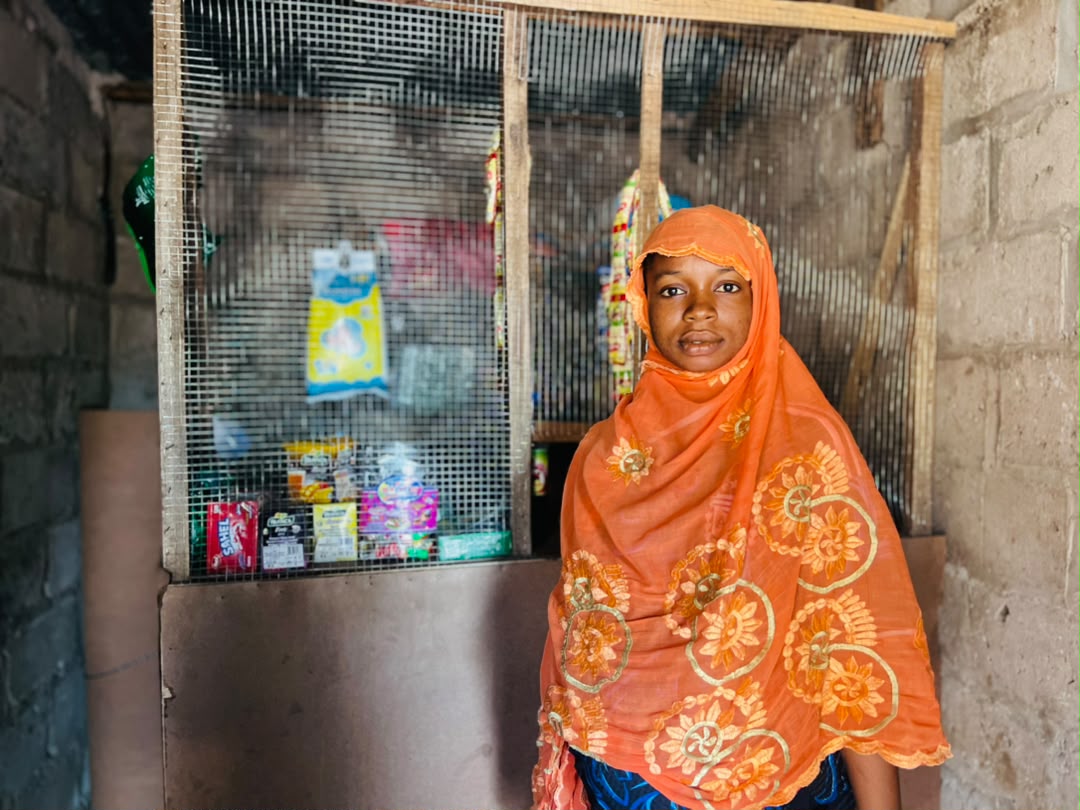
Illness forced Mariama Bah to leave school in Grade Nine. Now 24 and expecting a baby, she runs a shop in Seno Bajonki that is helping her family meet daily needs—and giving them somewhere to turn when an emergency comes.
When Mariama Bah needed to go to hospital on October 29th 2026, her mother had to think about how to get her there. Mariama was heavily pregnant and unwell. The family hired a taxi, paid for with money from the small shop she had opened in Seno Bajonki, 138 Kilometres (86 Miles) from The Gambia’s capital city, Banjul.
Gibbeh Bah, Mariama’s mother, knew what that fare meant. Before the shop, she said, they might have had to make the journey by horse cart.
“We would have struggled with a horse cart if not for this business,” she said.
It is an ordinary-looking shop, stocked with rice, bread, onions, sweets and other household essentials. People come to buy what they need; Mariama makes a sale, then must buy more stock to keep the shelves filled. The work is daily and repetitive. So are many of the expenses it helps her family meet.
For Gibbeh, the taxi ride showed the difference. When her daughter needed care, they could draw on money earned through the business rather than first looking for someone willing to lend it.
Mariama, 24, had wanted to continue her education. She reached Grade Nine before epilepsy – a chronic brain disorder, often viewed through a sipiritual lens in most African communities – forced her to leave school. Her mother remembers that time not only for the disappointment of seeing her daughter’s schooling cut short, but for the difficulty of meeting the family’s everyday needs.
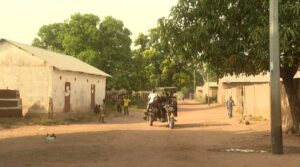
“Life was very tough for us before,” Gibbeh said. “Imagine having a daughter who went all the way to Grade Nine, developed an illness and had to drop out of school. Feeding and taking care of family needs are no easy things.”
Mariama began petty trading alongside her mother. She was helping, but she wanted a business she could run herself. When she heard about an opportunity for training and financial support through SWEDD+, she had her own idea about what to do with it.
Gibbeh suggested tailoring. Mariama chose trading.
“I wanted to study business with the support of SWEDD+,” she said.
SWEDD+—the Sub-Saharan Africa Women’s Empowerment and Demographic Dividend Plus Project—is a World Bank-financed programme operating in The Gambia. Its work includes expanding girls’ and young women’s access to learning, economic opportunities and health services. The project also supports wider efforts to improve gender equality and strengthen services for women and girls. Its economic empowerment activities include entrepreneurship training and support for income-generating activities, with the aim of helping young women build skills and greater financial autonomy.
The support did not come quickly. Mariama said she first learned about the project during a community data collection exercise. She gave her information and waited. More than a year passed without further word, and some women who had registered began to doubt that anything would come of it.
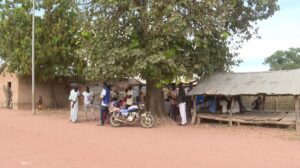
Then Mariama received business-oriented training and D25,000 in financial support. She used the opportunity to establish the shop she had wanted to run.
The grant did not guarantee a successful business, nor did it remove the costs of keeping one open. It gave Mariama a starting point: money to put toward an enterprise, alongside training intended to help her manage it. Keeping the shop going still depends on selling goods, replacing stock and setting aside enough money to meet household needs without using up the business capital.
For Mariama, the shop also marked a change in how she saw her own future. Since leaving school, she had traded alongside her mother. Now she had acted on an idea of her own and could make decisions about what the shop sold and how its income was used.
Mariama says the business brings in approximately D1,000 a day and that she saves D300. It is not clear whether the daily figure refers to sales or profit, and the distinction matters: the cost of replacing goods must be taken out before the family can know what the business has truly earned. Even so, Mariama and her mother say the income has eased the pressure of buying household necessities and reduced their dependence on borrowing.
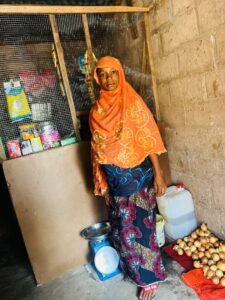
For Gibbeh, that change is hard to separate from the day Mariama needed the taxi. A medical trip was an unexpected cost, arriving at a time when her daughter was already close to giving birth. The family had money from the shop and used it.
“This shop is working very well,” Gibbeh said. “Despite all the challenges, we focused on setting up this business. It has solved 99% of our problems.”
Her words convey the relief the family feels. They do not mean every difficulty has passed. Mariama’s education remains unfinished. Her business is still small, and each day’s earnings must help meet the family’s needs while leaving enough to buy stock for the next day. Soon she will have a baby to care for as well.
She gas her Mum to fall back on when the baby arrives. Her plan is to keep the shop stocked and continue to serve sell to the community and sustain the business.
The grant she received cannot, by itself, resolve the wider difficulties that shaped Mariama’s circumstances. It could help her establish an income-generating activity, but it cannot restore the years of schooling she missed or guarantee that the shop will always earn enough. Its contribution is more specific: it helped her put a business idea into practice, and the earnings have given her family another source of money to draw on.
Mariama says approximately five women in her community received the opportunity, but she is the only one who has established a business so far. In rural Gambia women struggle to keep businesses afloat due to a number f reasons, including family pressures, property ownership and lack of business guidance. Her experience offers a close view of what the support has meant for one young woman and her household; it cannot tell the full story of everyone who received it.
The project itself is broader than small business grants. According to its project framework, SWEDD+ also includes activities to support girls’ education, improve access to reproductive and maternal health services, strengthen community-level work and promote women’s social and economic autonomy. For Mariama, though, its effect is easiest to see in the shop she runs and the money it has made available when the family needed it.
She hopes to keep the business going and encourage other women to take up similar opportunities.
“I advise women to tap into such opportunities,” she said.
In Seno Bajonki, her shop has become part of the family’s daily life. A customer buys bread or rice. Mariama puts money aside where she can and plans for what she will need to replace. Some sales help pay for ordinary household expenses. Recently, they paid for a taxi when she needed to reach the hospital.
It was a journey the family had to make. The shop gave them a way to make it.