
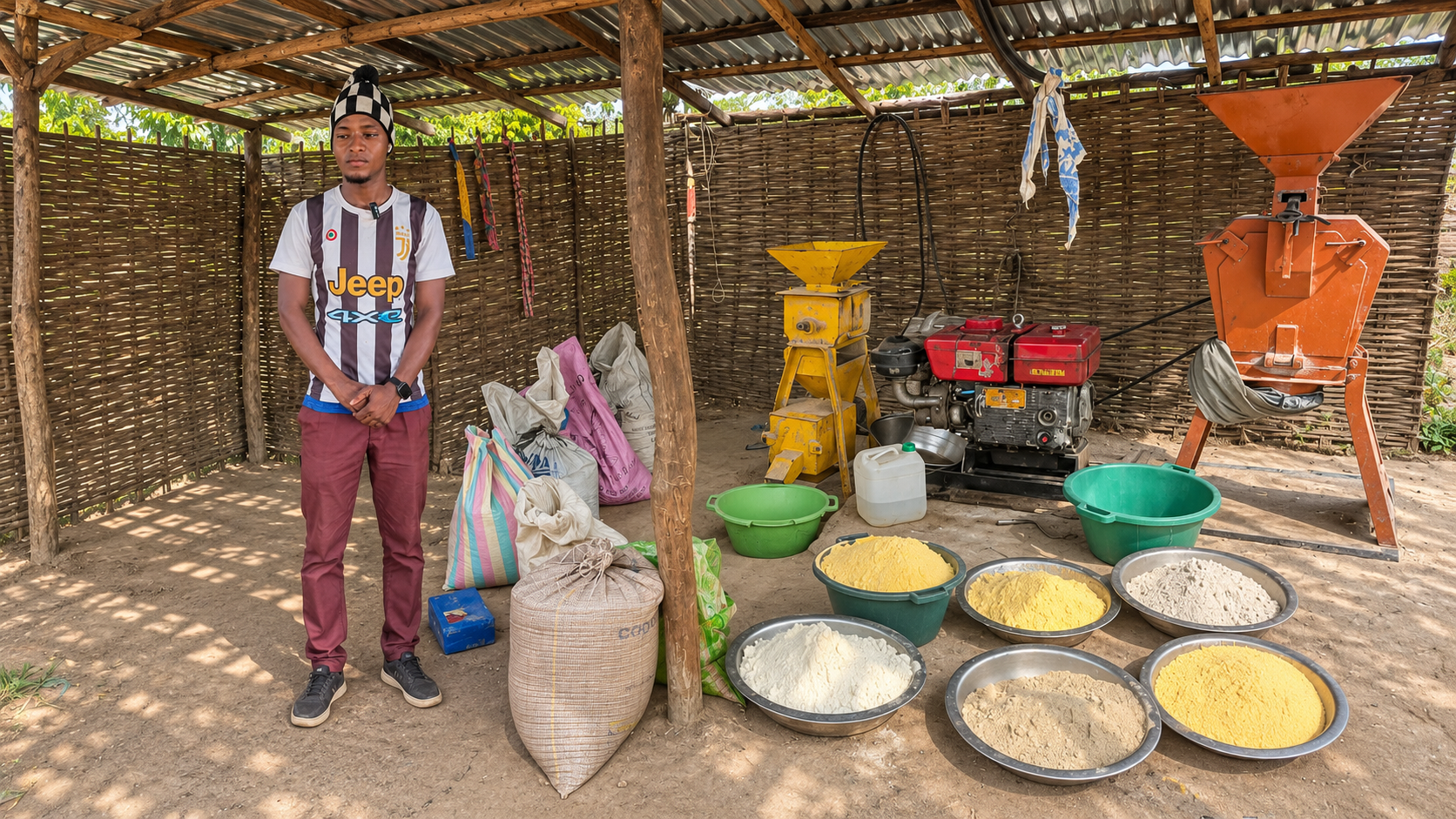

In Sare Silleh, The Gambia, and neighbouring Sare Eli, Senegal, a new milling service is turning a back-breaking household task into a local business—and showing what targeted support for rural entrepreneurs can make possible.
For many families, the harvest is only part of the work. Millet, maize and sorghum still need to be pounded or ground before they can become everyday meals. That processing can take time and physical effort, often falling heavily on women.
In the border communities of Sare Silleh and Sare Eli, a milling machine is changing that routine. The machine processes several staple grains, giving farmers and households a nearby alternative to traditional pounding. The result is practical: less labour spent preparing grain, and a service that can earn income for the young entrepreneur who runs it.
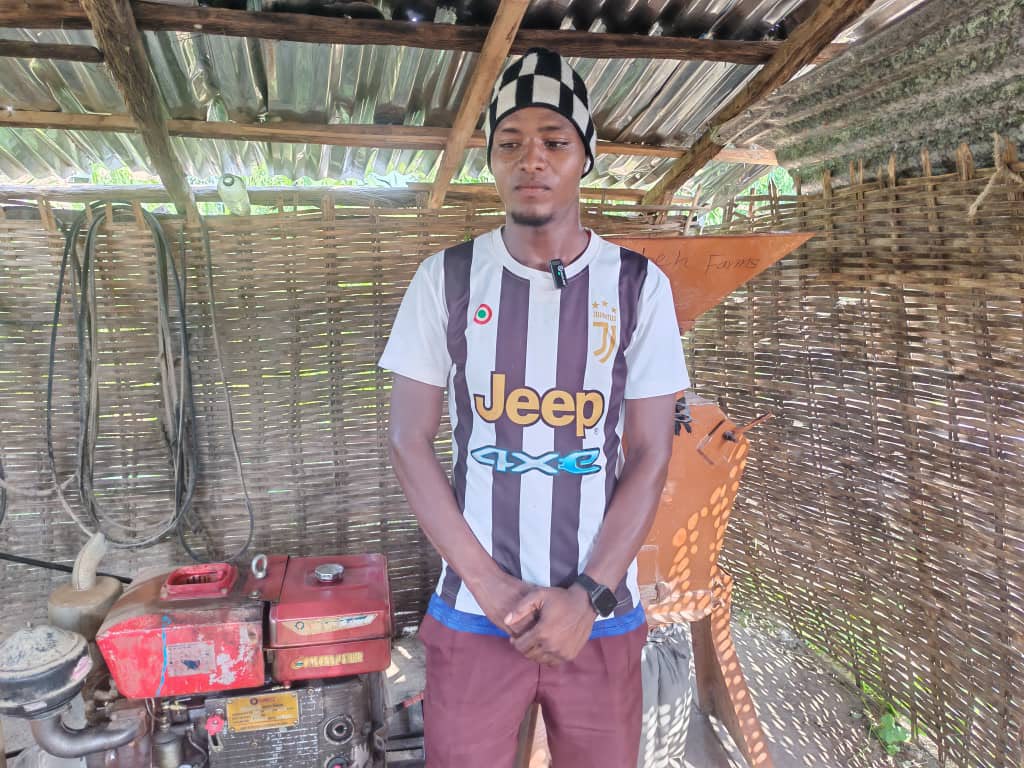
At the centre of the project is Musa Sowe, whose business received financial support through The Gambia Inclusive and Resilient Agricultural Value Chain Development Project, known as GIRAV. A recent report on the machine describes Sare Silleh as celebrating the new facility and credits the initiative to a young entrepreneur.
From harvest to meal, with less pounding
A milling machine may seem like a modest investment. In a rural community, it can make a noticeable difference in the journey from harvested grain to food on the table.
The Food and Agriculture Organization notes that small mills are valued in many African communities because they reduce tedious, time-consuming work. Traditional hand-grinding remains common, and milling needs vary by crop and by local food preferences.
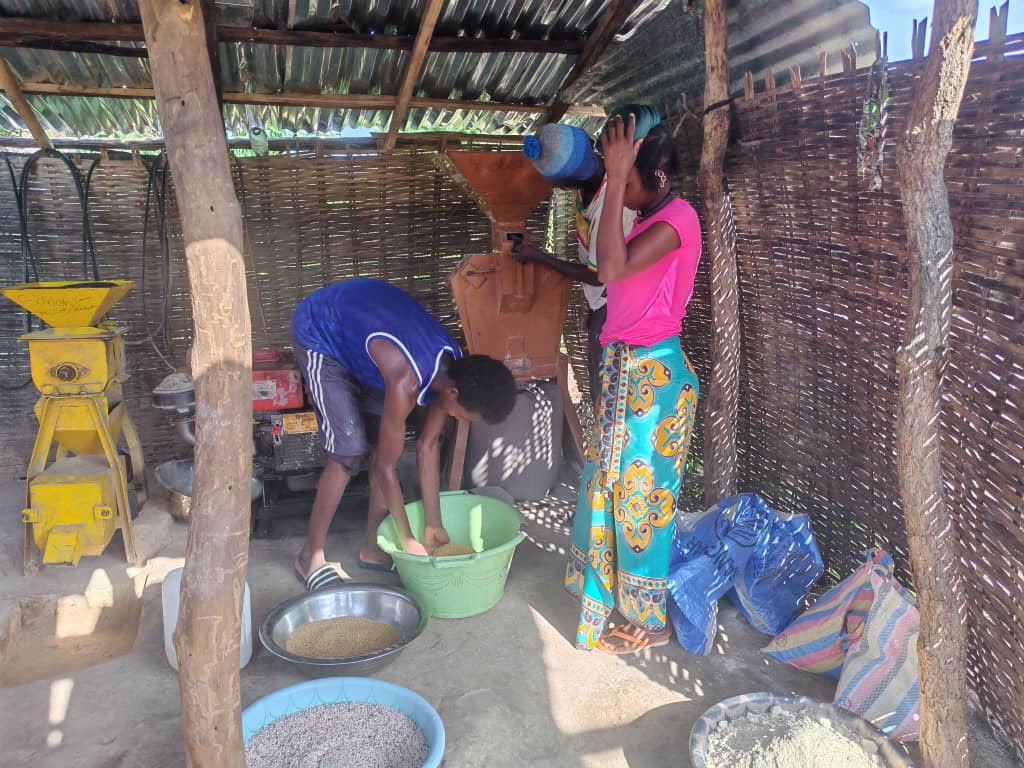
For households around Sare Silleh and Sare Eli, a local mill means there is an option beyond pounding millet, maize or sorghum by hand. That can ease the physical burden of processing and make it more convenient to prepare grain for cooking. Farmers also gain access to a service close to where they live and grow their crops, rather than having to rely solely on manual methods.
The machine’s value is not only in the work it replaces. It also makes processing available as a local service. When the mill is operating, Sowe can earn revenue from customers who bring grain to be processed. In that way, the equipment serves two purposes: it helps meet a community need and gives a young entrepreneur a means of building an agricultural business.
The extent of those benefits will depend on the realities of daily operation: how many customers use the mill, what it costs to run, and whether fuel, repairs and spare parts are available. FAO’s guidance stresses that small-mill investments need sound planning, regular maintenance and a clear understanding of operating costs.
GIRAV’s role: help with the investment
For a young entrepreneur, the price of machinery can be a major barrier. GIRAV is designed in part to address that problem by helping private agricultural businesses and service providers access finance.
The project, funded by the Government of The Gambia and the World Bank, supports investment across agricultural value chains, including production, processing, marketing and service provision. Its matching-grant scheme can cover eligible investments such as milling equipment, while requiring beneficiaries to contribute a share of project costs.
That kind of support matters because a machine is more than a piece of equipment. It is a business asset whose value depends on whether someone can install it, operate it safely, attract customers and keep it working. GIRAV’s approach recognises that agricultural development is not only about growing more crops. Processing and services are also part of the chain that connects harvests to food and income.
The project’s broader aim is to move Gambian agriculture toward more market-oriented activity and to expand private-sector involvement in production, processing, marketing and services. It identifies maize among its priority value chains and places particular emphasis on youth- and women-led businesses.
Sowe’s mill offers a local illustration of that approach: public support helps unlock a private investment, while the entrepreneur turns it into a service for neighbouring households and farmers. The benefit is shared, even though the business has an individual operator.
A border community, one local service
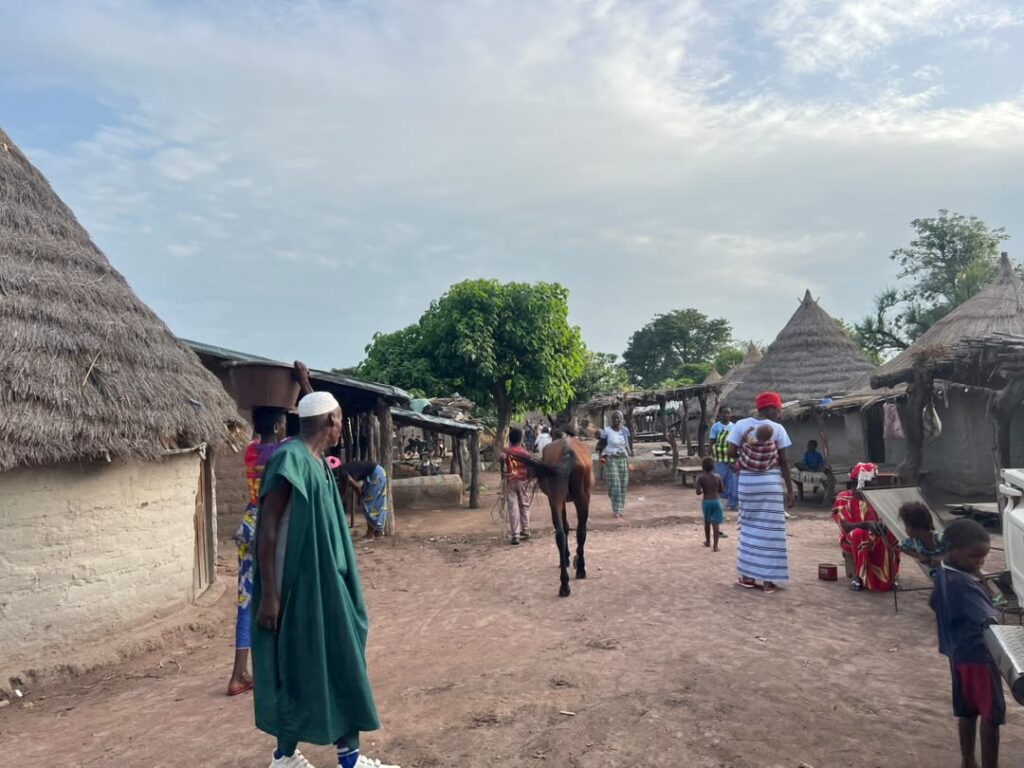
The machine’s reach across Sare Silleh and Sare Eli is a reminder that rural economies do not always stop at administrative borders. A service based in one community can be useful to people in nearby settlements too, particularly where households share crops, markets and everyday needs.
That reach also raises an important practical question for any community considering a similar investment: where should the machine be located, and how will access be managed? A mill is most useful when people can reach it, afford to use it and trust that it will be available when needed. A clear schedule, transparent fees and good communication can help ensure that the service works for a broad group of users.
The business side needs equal attention. Milling fees must cover fuel or electricity, labour, repairs and replacement parts, while remaining affordable for customers. FAO recommends assessing local demand and costs before investing, and keeping records of income and maintenance so operators can judge whether the mill is viable over time.
These are not reasons to hold back on rural machinery. They are reminders that equipment works best when investment is paired with planning, training and support after installation.
What other communities can learn
The Sare Silleh and Sare Eli example points to the potential for similar machines in other rural areas where grain processing remains labour-intensive and households have limited access to nearby services. A small mill can help people process crops more conveniently and create a source of income for an operator. Where farmers can process locally, more of the work—and the value it creates—can stay close to the community.
But copying the machine alone is not enough. The best fit depends on which crops people grow, what kind of flour or meal they prefer, the available power supply and the local supply of spare parts. FAO’s technical guidance emphasises choosing equipment suited to local conditions and ensuring that operators can maintain it.
There is also a broader food-security lesson. More crops in the field do not automatically mean easier access to food. Farmers and households need ways to handle, process and use what they produce. When that work becomes less burdensome and more accessible, local agriculture can serve families better—and create opportunities for enterprises along the way.
Musa Sowe’s milling business is one small investment with a wide circle of potential benefit. For families, it offers another way to turn millet, maize and sorghum into food. For the entrepreneur, it creates a service business. For Sare Silleh and Sare Eli, it brings processing closer to home.
That is the promise of rural agricultural technology when it is matched to a real community need: not machinery for its own sake, but useful tools, local ownership and a chance for more people to benefit from the harvest.