
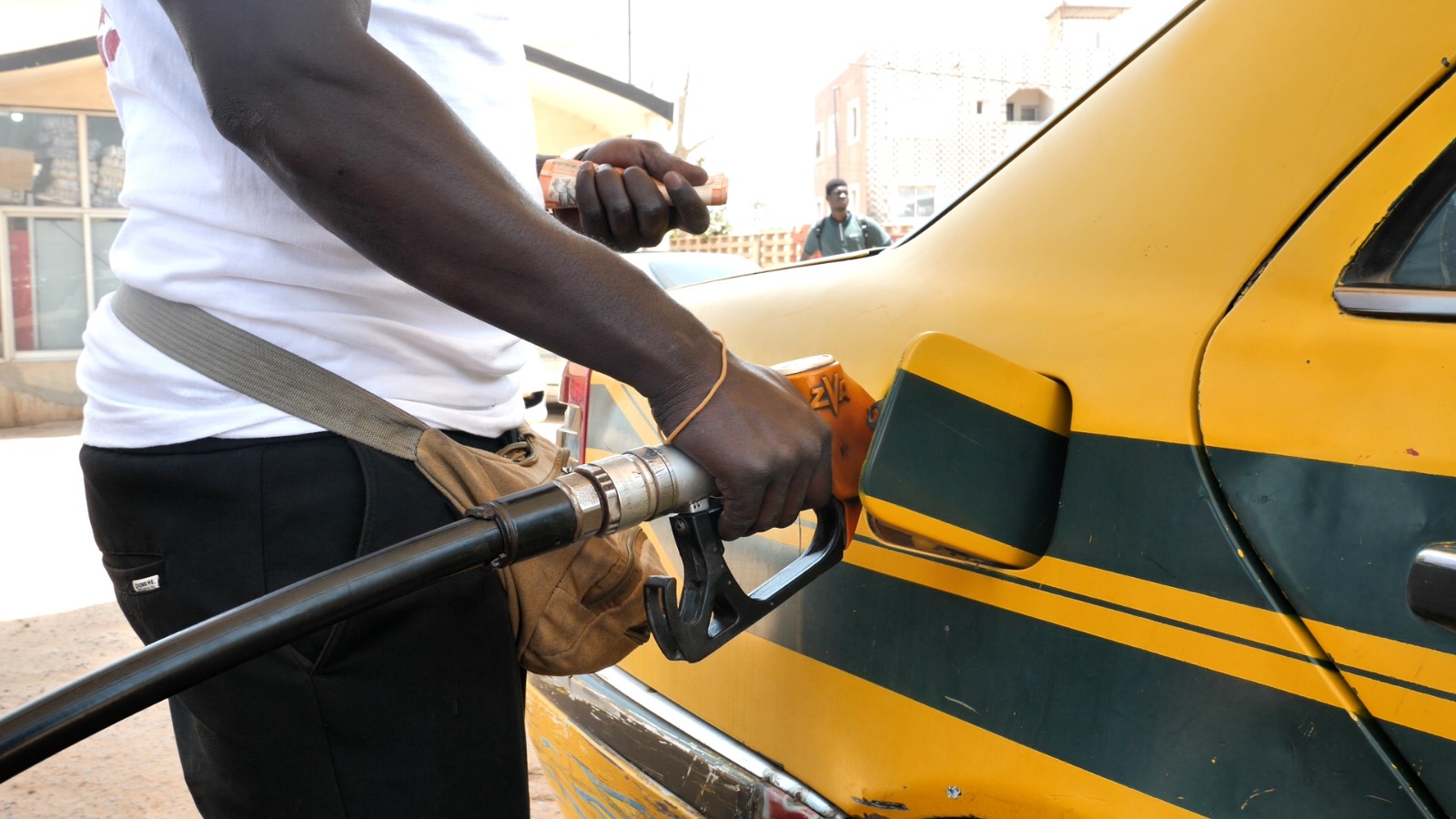

The Gambia is a place where nothing comes easy—where people stretch every dalasi, and every little change in the price of rice or bread matters. Lately, though, it’s not just bread or rice on people’s minds. It’s the cost of fuel and the way it keeps rising, quietly squeezing the life out of family budgets that already have nothing left to give.
It started like it always does: a trickle of news on the radio, a rumour in the market, a sudden queue at the petrol stations. By the time official prices were announced, most drivers already knew what was coming.
For the third time in a single year, the cost of a litre of petrol had climbed—first by a few bututs, then by a whole dalasi, until it felt like every week brought another hike.
If you haven’t lived in The Gambia, it’s easy to think of fuel as something that really only affects drivers or businesses. But here, fuel is the thin thread that holds everything together.
When the price goes up, it doesn’t just hit the man with a taxi or the woman selling oranges by the roadside. It hits everyone—hard.
Mariama Touray, a mother of four in Bundung, doesn’t own a car. She cooks on a small charcoal stove, and her daily life revolves around the market, the school run and the constant hustle to make ends meet.
Before the fuel hikes, her husband’s daily wage as an ‘apprentice’ (minibus attendant) could just about cover food, school fees and rent. Now, every dalasi he brings home seems to vanish the moment it arrives.
Transport fares have gone up—first by a little, then by a lot. Suddenly, sending the children to school costs twice as much. Vendors at the market have raised their prices too, blaming the cost of bringing goods from the farms or the port. Even the charcoal she cooks with is more expensive, because delivery trucks have to pay more for fuel.
“It’s like the prices are running, and we can’t catch up,” Mariama says, her voice tight with worry. She’s had to cut back on vegetables, and fish is now a rare luxury.
At night, the family eats by candlelight, because electricity too is tied to the price of fuel and the power company has started rationing again.
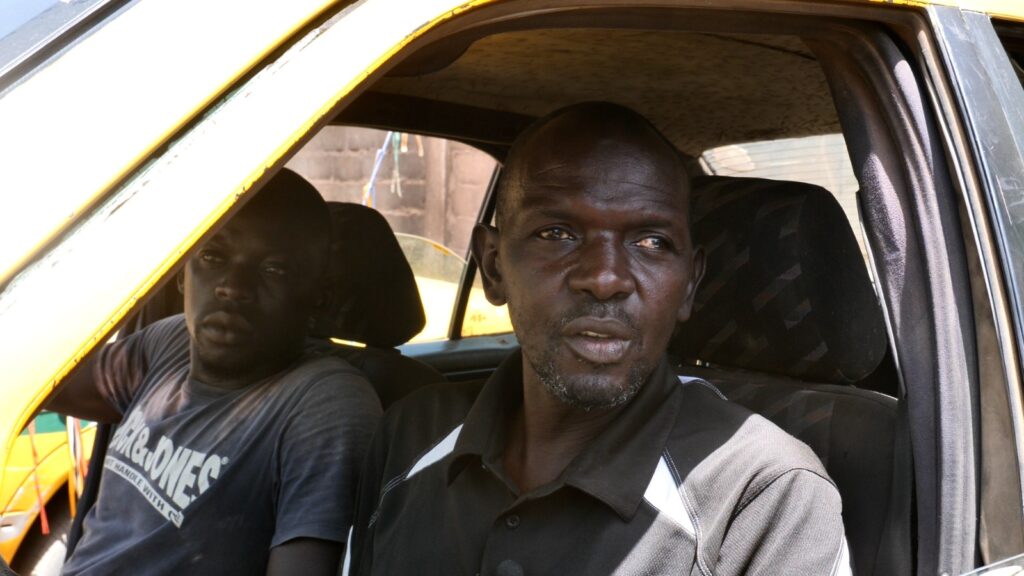
Across town, around Brusubi Turntable, Assan Faal drives a yellow-and-green taxi. He is blunt about what the latest hikes have done to his life. “The gasoil price increment has disturbed the drivers. The increment is too much. What we used to see is a marginal increment of D1- to D2 but the latest increment is about D9.
“We thought that was much but didn’t realise that wasn’t all. The price of fuel per litre is from D84-D95 to now D120—about D25 increment. That is definitely too much and we don’t know what to do now.”
He shakes his head, frustration showing. “This is creating a rift between us and our passengers. When you tell them the price increment, you’re the one they’d attack. They accuse us of hiking prices everyday.
“Even if you tell them it’s the government’s prices to blame, they don’t believe us. This is a problem for us. Our daily take home pay is affected drastically—the amount is reduced.
“Some drivers don’t even have enough gasoline to run their vehicles. The vehicle owners who expect their daily remit from us aren’t happy as we can’t meet our agreed terms. From D2 to D9, to now D25 increase. That is difficult to deal with.”
For drivers like Assan, every day is a battle—between the demands of their passengers, vehicle owners, and their own families. Some have stopped working altogether, parking their vehicles in dusty corners and looking for odd jobs instead.
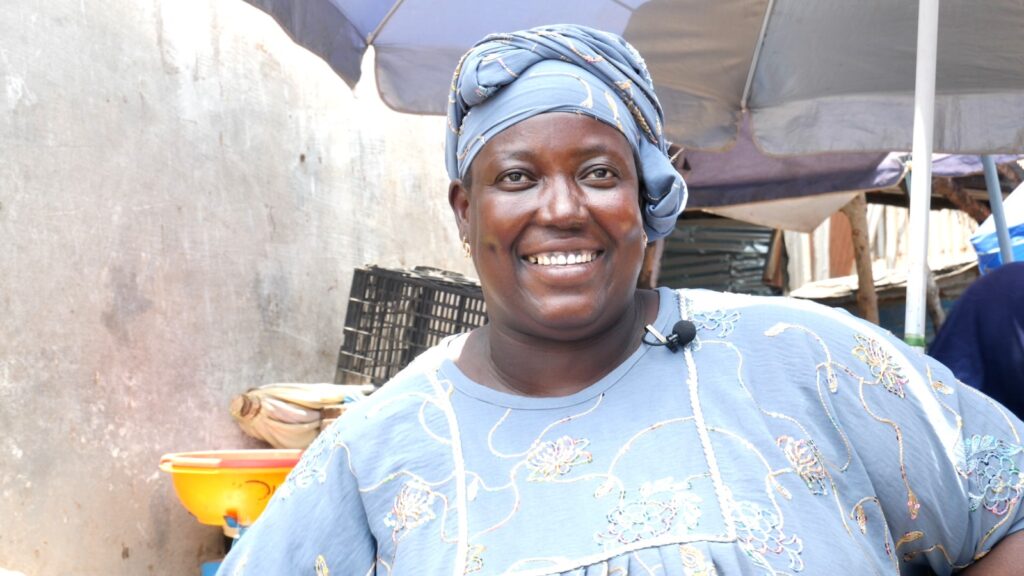
But the pain doesn’t stop at the car park. In the markets, vendors like Amie Sonko feel the squeeze from every direction. “The price hikes has cause a lot of hardship,” she says, arranging bags of peppers she’s just bought from Tippa Garage, ready for transport to Tanji market where she has her stall.
“It used to cost D100 for each of my children going to school. It is now D150 per child. That is not even enough now a days, as cost of sandwich for their lunch meal is increased.”
Amie’s own costs have skyrocketed. “I sell pepper at the market. A bag used to cost between D7,000 and D8,000. It is now D11,000-D12,000. We used to have marginal profit but now since the fuel price increase, we hardly make any profit at all.
“We’re just managing it. That’s the order of the day. Some customers complain and say just 5 pieces of pepper for D25 and leave. But once they go round the market for a better price, they return to buy.
“Everyone is a conservative buyer. Our profit levels are being eroded, It’s like we’re living from hand to mouth. We’re pleading to government to help empower women more as most households are run by women.”
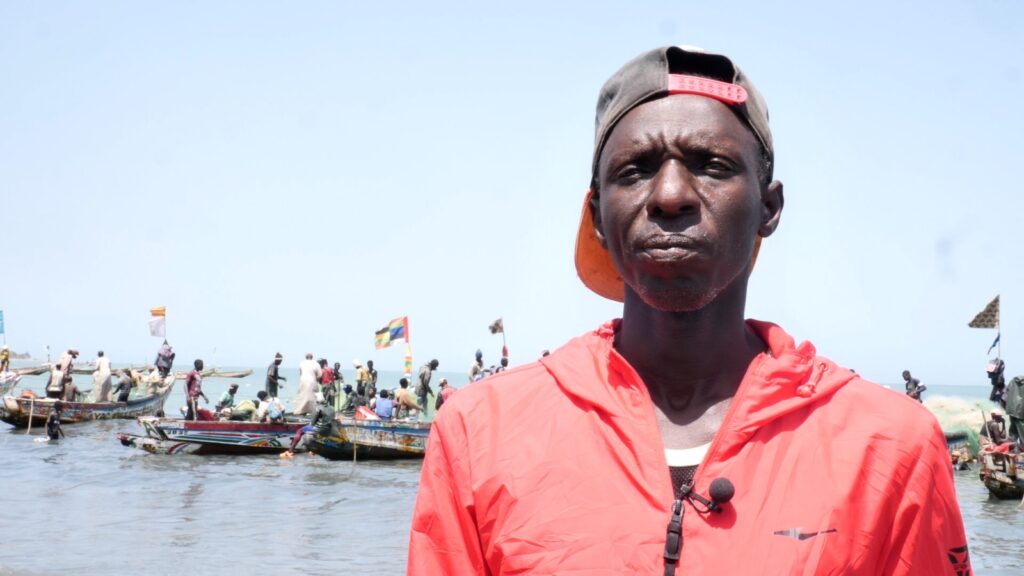
Even the sea can’t escape the reach of rising prices. Ebrima Darboe, a fishing boat captain in Tanji, explains how the costs hit from every side.
“The price hikes is not good for us. The cost of fuel has increase drastically. 30 litres used to be about D2000. It’s now about D2800. That does not favour us at all.
“This has an impact on the price of fish we sell. I work with a crew of 13 people. A higher running cost means less profit to share. A higher fuel cost means higher selling price for the fish we catch.
“We have no choice but to increase the price of fish so we can stay in business and pay our crew members decent wages. If cost of fishing increases, so will the cost fish at the market. Sometimes, we’re forced to buy fuel from Senegal and bring it over, which is not good for our local economy.”
The impact ripples outward—touching every household, every meal, every child’s chance to get to school. For most Gambian families, transport alone can swallow as much as 30% of their income. When that cost doubles, something else has to give.
Usually, it’s food, school expenses, or healthcare. The poorest households—the ones already living on the edge—feel it worst of all.
There are protests, sometimes and loud debates on the radio and on online platforms. The government blames global oil prices and the weakness of the dalasi. Opposition politicians promise relief, but few believe them.
Meanwhile, families like Mariama’s, Amie’s, Ebrima’s and Assan’s live with the slow, grinding reality of less—less food, less opportunity, less hope.
Life goes on, as it always has, but it’s harder—and the sense of uncertainty never really fades.
And unless something changes, the question on everyone’s mind is simple: how much more can they take?