
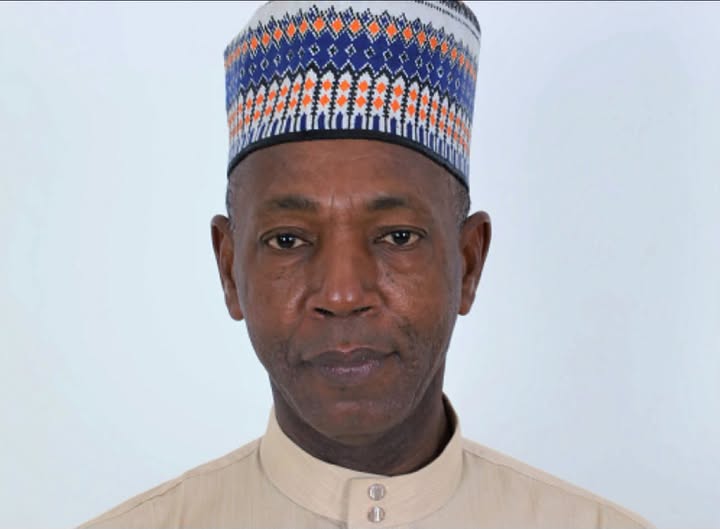

Gambia’s lands minister says the allocation system needs more oversight—but insists the government has nothing to hide as questions swirl over land records and disputed plots.
Minister of Lands Hamat Bah has called for the return of the Land Allocation Board, warning that the power to allocate state land should not rest with one minister alone.
At a press briefing at the Quadrangle in Banjul on Tuesday 3rd November 2026, Bah described state land as one of the country’s most valuable assets. He said giving a single person broad control over it was a risk the country should not take.
“I realised that that was too much power for a minister, and too dangerous for a minister to have such power,” Bah said. “You have one person who can decide and allocate at his will and at his wish.”
Bah said proposed legal changes would restore the board and subject allocation decisions to greater scrutiny. He contrasted the current system with government spending, which goes through parliamentary approval under the national budget and Appropriation Act.
Where Are the Land Records?
Bah also addressed questions about land allocations made since 2017. The government is working to publish them in the Gazette, he said, after ministry officials found that earlier allocations had not been gazetted as required by law.
The Director of Lands and a deputy permanent secretary were assigned to coordinate the work about two months ago, according to Bah. He said the full records would be published once the compilation was complete.
But he pushed back against reports based on recently circulated documents. Some people named in them had merely been proposed for land, he said—not given final approval.
“We are going to put everything in the Gazette for everybody to see who is allocating what and when,” Bah said. “That is what the law requires, and we must do it.”
Businesses, Barrow and Disputed Plots
The minister defended allocating state land to private companies, arguing that businesses that meet the requirements should be able to secure land when it is available. A company could receive more than one plot, he said, if separate operations called for it. Such allocations, he argued, could lower rental costs, support projects such as manufacturing plants and create jobs.
Bah also rejected claims that President Adama Barrow’s family had received special treatment. He said Barrow turned down an offer to help his son obtain land for a business, insisting that his son should establish himself independently. Bah further maintained that the president had received only one valid state land allocation after an earlier allocation was cancelled, and challenged critics to produce documents supporting claims of a second.
On disputed land layouts—including Tanji Wetland, Kamalo, Salagi and Kabalo—Bah said investigative committees had prepared reports or were close to finishing them. The findings would be compiled and sent to the Land Commission, he said.
Bah Hits Back at White Paper Claims
The briefing went beyond land. Bah defended the government’s handling of the Local Government Commission of Inquiry and its White Paper, rejecting allegations that the process was politically motivated. He said the inquiry followed public corruption allegations concerning the Kanifing Municipal Council, and that people named adversely in the report had the opportunity to challenge its findings in court.
He also dismissed claims that the White Paper had been tampered with or substantially generated by artificial intelligence. The report was kept confidential, he said, and the government had retained evidence to support its decisions.
“We speak on facts, not fiction,” Bah said.
Bah closed with a message for journalists: investigate, but verify. He said the government would publish the land allocation records and make an ongoing audit public when it was finished. His central argument was blunt: state land needs stronger oversight, and the public needs a clear account of who received it.